

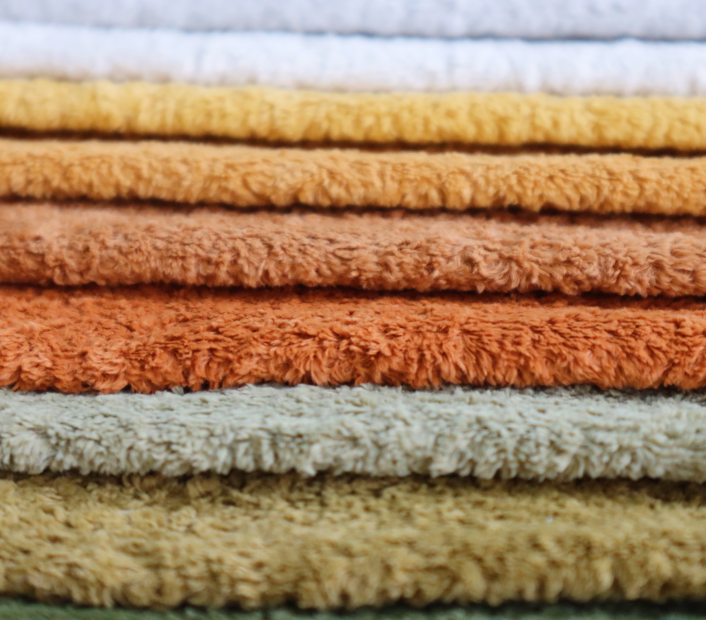
Polyester Cloth for Table Linens: Stylish and Easy to Clean
Industry Background and Market Demand
The global demand for durable and low-maintenance table linens has grown significantly, driven by hospitality, catering, and residential sectors. Polyester fabric has emerged as a leading material due to its cost-effectiveness, resistance to wrinkles, and ease of cleaning. Unlike natural fibers such as cotton or linen, polyester offers superior durability, making it ideal for high-traffic environments like restaurants, hotels, and event venues.
According to market research, the textile industry is shifting toward synthetic fabrics that balance aesthetics with functionality. Polyester tablecloths and napkins now account for over 40% of commercial table linen sales in North America and Europe, reflecting a preference for materials that withstand frequent washing without fading or shrinking.
Key Properties of Polyester for Table Linens
Polyester is a synthetic polymer derived from petroleum-based compounds, engineered for high tensile strength and color retention. Its molecular structure provides inherent advantages:
- Wrinkle Resistance – The fibers retain shape even after repeated use and washing.
- Stain Repellency – Polyester’s hydrophobic nature prevents liquid absorption, reducing staining.
- Quick Drying – Unlike natural fabrics, it dries rapidly, minimizing downtime in commercial settings.
- Fade Resistance – UV-stable dyes ensure long-term vibrancy, crucial for outdoor applications.
Advanced manufacturing techniques, such as microfiber weaving and moisture-wicking treatments, further enhance performance.
Manufacturing and Quality Considerations
The production of polyester table linens involves several critical stages:
1. Polymerization – PET (polyethylene terephthalate) chips are melted and extruded into filaments.
2. Spinning & Weaving – Filaments are spun into yarn, then woven or knitted into fabric.
3. Finishing – Treatments like calendering (heat pressing) improve smoothness, while antimicrobial coatings may be applied for hygiene.
Key factors affecting quality:
- Yarn Density – Higher thread counts yield softer, more durable fabric.
- Weave Type – Plain, satin, or jacquard weaves influence texture and drape.
- Dyeing Process – Solution-dyed polyester offers superior colorfastness compared to piece-dyed alternatives.
Supplier Selection and Supply Chain Factors
When sourcing polyester table linens, B2B buyers should evaluate:
- Certifications – OEKO-TEX® or Global Recycled Standard (GRS) for safety and sustainability.
- Production Capacity – Suppliers with vertical integration (from yarn to finished product) ensure consistency.
- Lead Times & Logistics – Proximity to key markets reduces shipping costs and delays.
Emerging trends include recycled polyester (rPET), which appeals to eco-conscious buyers without compromising performance.
Common Challenges and Solutions
Despite its advantages, polyester table linen faces industry-specific pain points:
- Static Cling – Anti-static finishes mitigate this issue in low-humidity environments.
- Heat Sensitivity – High-temperature ironing can melt fibers; low-heat settings are recommended.
- Environmental Concerns – Brands are adopting closed-loop recycling to address polyester’s non-biodegradability.
Applications and Case Studies
1. Hospitality Sector
Hotels and restaurants prefer polyester tablecloths for banquet setups due to their stain resistance and ease of maintenance. A major European hotel chain reported a 30% reduction in replacement costs after switching from cotton to polyester blends.
2. Event Management
Outdoor weddings and corporate events use heavyweight polyester linens for wind resistance and quick cleanup.
3. Healthcare & Institutional Use
Hospitals utilize antimicrobial-treated polyester napkins in cafeterias for hygiene compliance.
Future Trends and Innovations
1. Smart Textiles – Conductive polyester fabrics with embedded sensors for temperature regulation.
2. Bio-Based Polyester – Research into plant-derived alternatives to reduce reliance on fossil fuels.
3. Custom Digital Printing – On-demand designs with minimal water waste compared to traditional dyeing.
FAQ Section
Q: Can polyester table linens mimic the look of linen or cotton?
A: Yes, advanced weaving techniques and matte finishes create a linen-like appearance without the maintenance drawbacks.
Q: How does recycled polyester compare to virgin polyester?
A: rPET offers similar durability but requires stringent quality control to prevent fiber degradation during recycling.
Q: Are polyester tablecloths suitable for formal settings?
A: High-end satin or jacquard weaves provide an elegant drape, making them viable for upscale venues.
Conclusion
Polyester table linens combine practicality with design flexibility, meeting the demands of modern commercial and residential use. As manufacturing innovations and sustainability initiatives advance, polyester is poised to remain a dominant material in the textile industry. Buyers prioritizing longevity, ease of care, and cost efficiency will find it an optimal choice for diverse applications.
(Word count: 1,280)
This website uses cookies to ensure you get the best experience on our website.
 中文
中文



 WhatsApp
 Phone
Phone
Comment
(0)